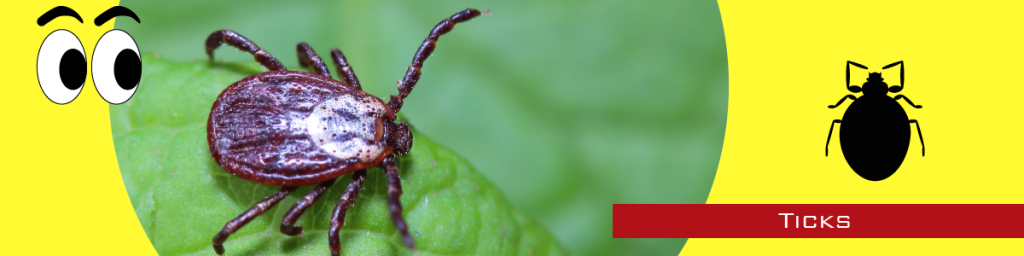
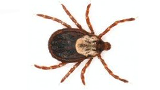
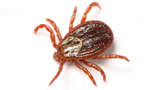
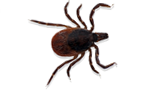
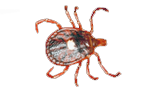
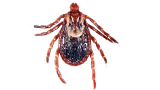
There are several species of ticks in the Tri-state area. The four (4) species we’re likely to encounter are American Dog Ticks, Black-legged (deer) ticks, Brown Dog Ticks, and the Lone Star Tick.
There are three major disease-causing organisms which can be spread through the bite of an infected deer tick: Lyme disease, Human anaplasmosis, and Babesiosis.
The American dog tick can transfer Tularemia and Rickettsia rickettsii, which causes Rocky Mountain spotted fever in humans.
The Lone Star Tick can transmit tularemia, Rocky Mountain spotted fever and ehrlichiosis.
Brown dog ticks are not known to transmit diseases to humans, but may spread disease among dogs.
TICK FACTS
• Ticks are arachnids. Meaning, they are more closely related to spiders and scorpions than insects.
• Ticks have four life stages: egg, larva (infant), nymph (immature), and adult (mature).
• There about 850 tick species, some of which are capable of transmitting diseases such as Lyme disease, Ehrlichia, and Rocky Mountain Spotted Fever.
• Ticks feed on the blood of their host — humans, birds, reptiles, and wild and domestic mammals.
• Ticks may appear as a small dark speck on your pet’s fur.
• Tick infestations are more common in dogs than cats.
• Never remove a tick with your bare hand. Instead, using tweezers, grasp the tick close to the skin and pull gently.