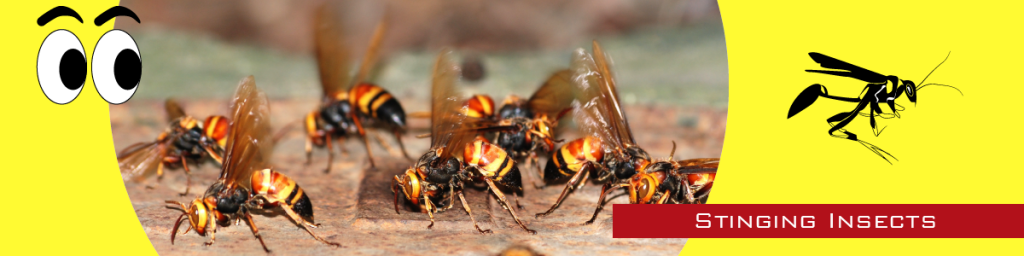
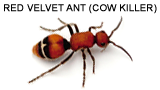
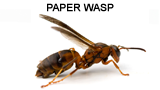
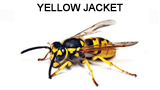
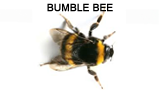
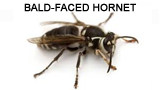
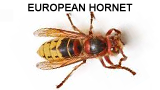
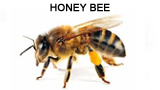
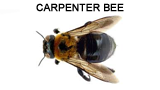
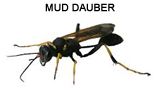
There are many species of stinging insects that range from the very beneficial Honey Bee, to the very aggressive European Hornet. Some of the more common species you’re likely to encounter in the tri-state area are listed below.
All products used by ARAB Pest Control are EPA registered for pest control use. Rest assure that pest control services provided by ARAB Pest Control will not cause any harm to humans or pets. More information can be found on our MSDS & Labels page.
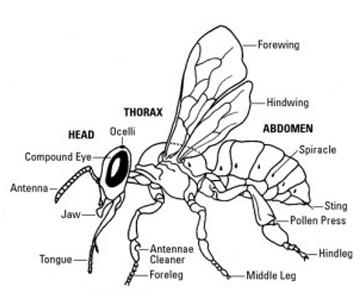
BASIC ANATOMY OF THE HONEY BEE
STINGING INSECT FACTS • Stinging insects send more than 500,000 people to the emergency room every year. They can swarm and sting in clusters or large groups, which can be life threatening especially for anyone who has an allergic reaction.
• Unlike some stinging insect species, wasps are known for their unprovoked aggression. A single colony of wasps can contain more than 15,000 members, so an infestation should not be taken lightly.
• Common nesting sites include under eaves, on ceiling beams in attics, garages and sheds and under porches. Some stinging insects can build their nests in the ground, including yellowjackets and velvet ants (which are actually a species of wasps). Over-seeding the yard provides more coverage and discourages these pests from nesting around the property.
• Painting or staining untreated wood in fences, decks, swing sets and soffits will help keep stinging insects such as carpenter bees out. Carpenter bees create nests by drilling tunnels into soft wood, which can severely compromise the stability of a structure over time.
• Only female carpenter bees have stingers. Female carpenter bees will only sting if threatened, but reactions to these stings can range from mild irritation to life-threatening respiratory distress.