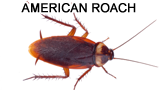
The cockroach is more than just a creepy nuisance pest that can survive freezing temperatures and a week without its head. This hearty creature can pose serious health risks to humans if it finds a way indoors. In fact, all types of cockroaches pick up germs on the spines of their legs as they crawl through decaying matter, which may be transferred to humans through food contamination. This can lead to illnesses such as E. coli and Salmonella. In addition, cockroaches are linked to increased asthma and allergy attacks as their droppings, saliva and shed skin contain potent allergens known to trigger allergic reactions and exacerbate asthma symptoms, especially in children.
To remain safe and healthy from different types of cockroaches, pest control and management is key. However, with approximately 4,000 living species of cockroaches in the world, and about 70 species found in the United States, it’s inevitable that some cockroaches will find a way inside homes. As a result, it’s important to pay close attention for signs of an infestation. Contact ARAB to properly identify the species and recommend a course of treatment.
Below, you’ll find the most common species you’re most likely to encounter.
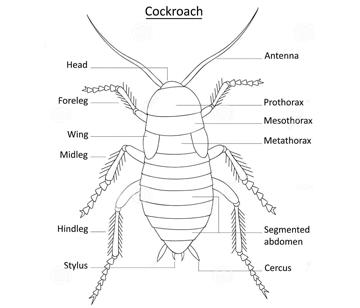
BASIC ANATOMY OF THE ROACH
ROACH FACTS
• A cockroach can live for a week without its head. Due to their open circulatory system, and the fact that they breathe through little holes in each of their body segments, they are not dependent on the mouth or head to breathe. The roach only dies because without a mouth, it can’t drink water and dies of thirst.
• A cockroach can hold its breath for 40 minutes, and can even survive being submerged under water for half an hour. They hold their breath often to help regulate their loss of water.
• Cockroaches can run up to three miles in an hour, which means they can spread germs and bacteria throughout a home very quickly.
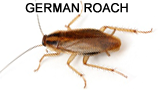
• Newborn German cockroaches become adults in as little as 36 days. In fact, the German cockroach is the most common of the cockroaches and has been implicated in outbreaks of illness and allergic reactions in many people.
• A one-day-old baby cockroach, which is about the size of a speck of dust, can run almost as fast as its parents.